Heating controls decide when the system runs, what temperatures it aims for and how heat reaches different rooms. Appropriate controls can improve operation and may influence an EPC.
The useful question is what a control does. The fact that it has Wi-Fi is largely a matter between it and your router.
What does each control do?
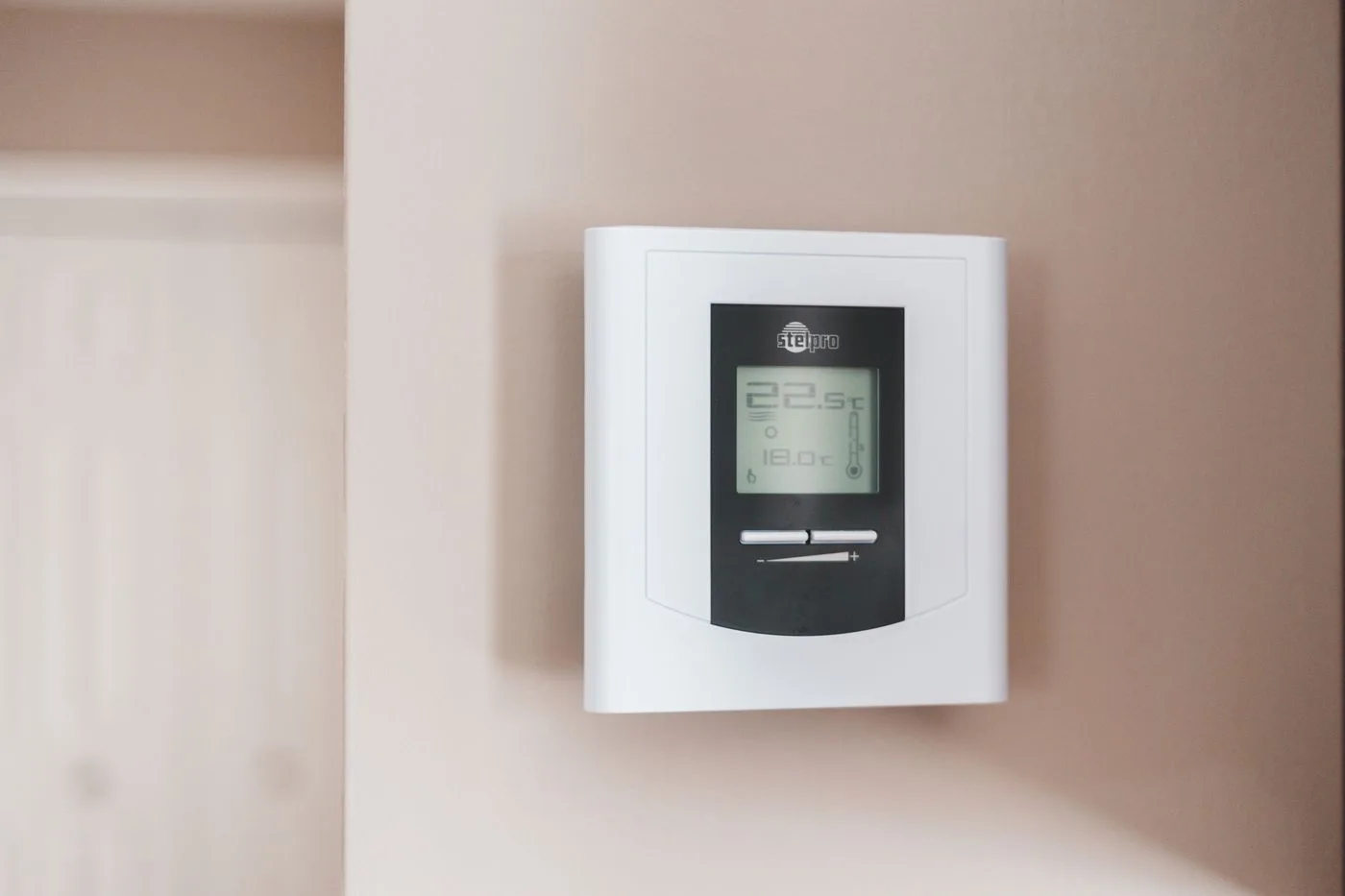
A programmer or timer sets operating periods. A room thermostat responds to the temperature where it is installed. A thermostatic radiator valve, usually called a TRV, limits heat from an individual radiator according to its local setting.
These devices need to work together. Their placement and configuration matter, and the best arrangement depends on the heating system.
Energy Saving Trust's controls guide explains the common types.
What are smart controls?
Smart controls can offer remote access, scheduling and additional features. Some systems also communicate with the heat source in more sophisticated ways.
An app alone does not establish extra efficiency or a particular EPC benefit. Compare the actual functions with the existing controls.
If you already have effective scheduling and temperature control, the main gain might be convenience. That can be worth paying for, but it should be sold honestly.
How can controls affect an EPC?
The assessment records eligible control features under its defined method. Adding a recognised missing function can change the model; replacing one effective device with a fashionable equivalent may not.
Ask an assessor which existing features are recorded and how a proposed change would be treated.
Keep installation details and model information. A photograph of a touchscreen does not necessarily explain its connection to the heating system.
Do heat pumps need different thinking?
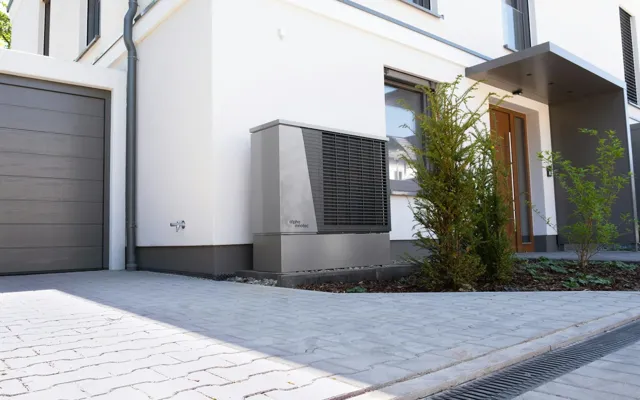
Often. Heat pumps can work best with an appropriate low-temperature operating strategy and controls matched to their design.
Aggressive stop-start schedules or inappropriate zoning can interfere with performance. Follow the designer's commissioning plan rather than importing settings from a previous boiler because they feel familiar.
Weather compensation adjusts operation in response to outdoor conditions where the system supports it. Its suitability and setup belong with a competent designer or installer.
Can you improve the existing setup first?
Ask for an explanation of the current controls. Check schedules, locations, valve operation and system balance with a suitable professional.
Avoid changing safety, frost-protection or hot-water hygiene settings casually. If rooms repeatedly fail to warm, the cause may involve emitters, flow or heat loss rather than the thermostat.
A good handover should leave you able to operate the system confidently. Our new-boiler guide and heat-pump guide show how controls fit into the larger decision.
YOUR HOME, YOUR NEXT STEP
Start with your own certificate.
Find your EPC, check the recommendations and see what could make a difference to your home.
Find my free EPCEngland & Wales. Find the register for Scotland or Northern Ireland.