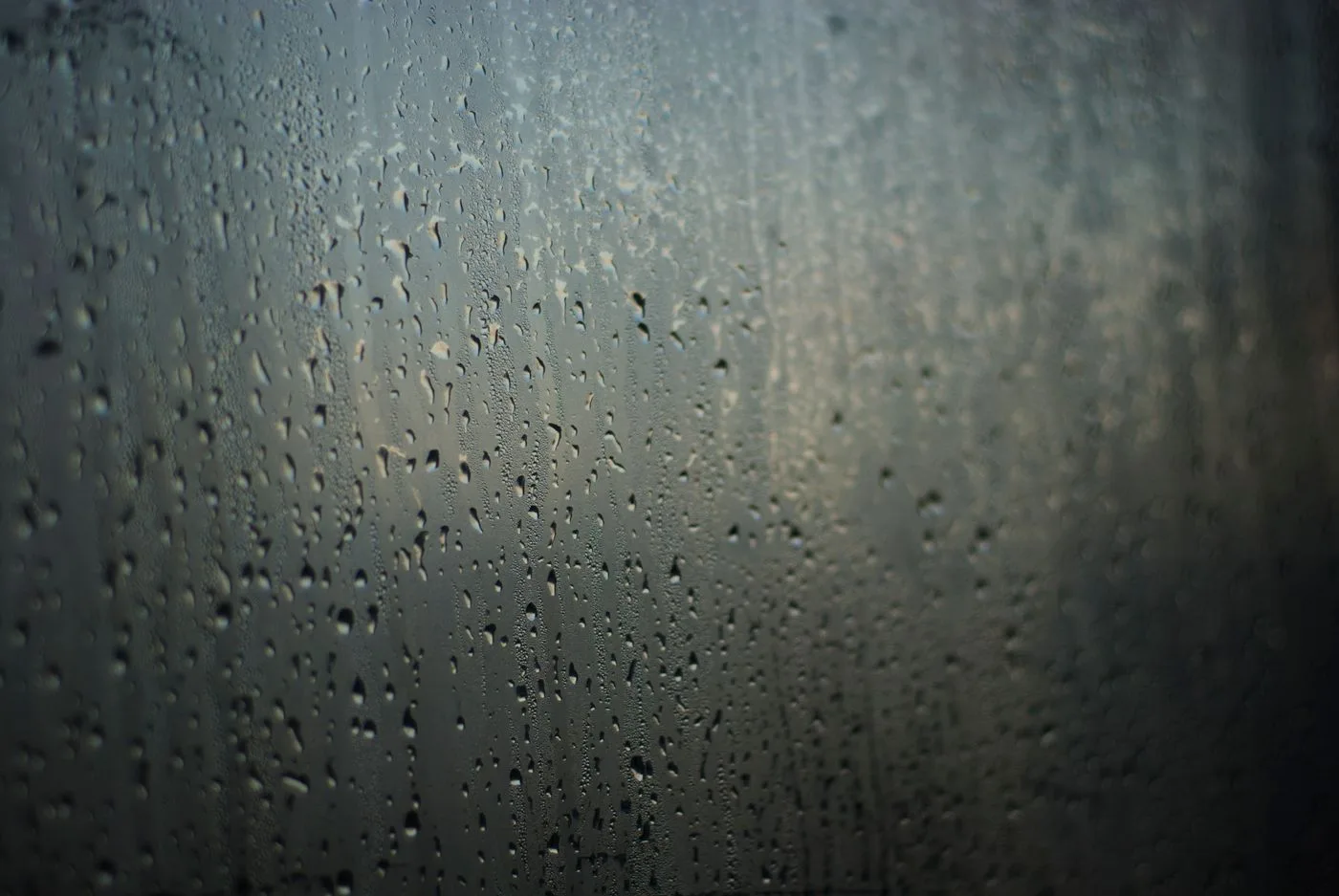
Insulation can contribute to damp problems when the system is unsuitable, poorly detailed or installed without dealing with defects and ventilation. Correctly designed insulation can also make internal surfaces warmer and reduce some condensation risks.
The answer depends on the cause and the construction. A damp patch is an observation, not a diagnosis.
Different moisture problems need different remedies
Rain penetration, plumbing leaks, ground moisture and condensation can produce different patterns and need different investigations.
Do not assume every patch is caused by insulation, rising damp or the occupants' lifestyle. Establish when it appears, where the water could be coming from and what has changed.
If work has recently been completed, retain photographs and project records before repairs obscure the evidence.
How can insulation change the risk?
It changes temperatures and heat flow through the building. Depending on the system, it can also alter drying routes and moisture movement.
Poor treatment of junctions can leave cold bridges. Air gaps, unsuitable materials and defective external details can create additional problems.
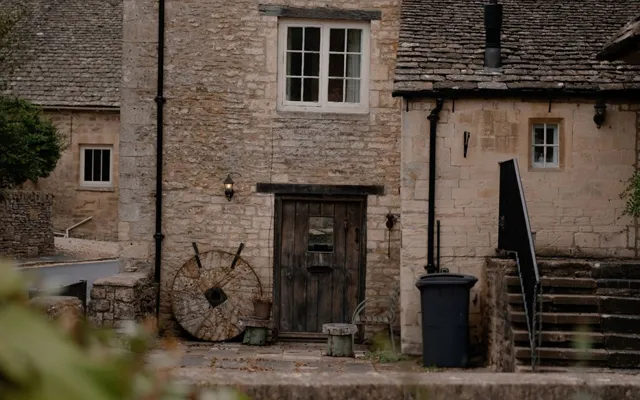
Traditional walls need particular care because their materials and drying behaviour can differ from modern assemblies.
Why does ventilation matter?
Reducing uncontrolled leakage can leave the home with less air exchange unless deliberate ventilation is adequate.
Moisture from ordinary activities then needs an effective route out. Extract systems, replacement air and whole-home provision should be assessed alongside insulation and airtightness.
Energy Saving Trust's damp guidance explains the need to identify causes rather than cover symptoms.
What should happen before installation?
Investigate existing damp and repair relevant roof, gutter, masonry or plumbing defects. Confirm construction and exposure.
Ask the designer to explain the insulation system, moisture strategy, junction details and ventilation provision. For traditional buildings, use someone with relevant experience.
A survey consisting entirely of measuring the wall area is unlikely to answer all those questions.
What if the work has already caused concern?
Report it promptly to the installer and, where relevant, the scheme provider or warranty route. Request a documented investigation and proposed remedy.
If responsibility or cause is disputed, an independent professional with appropriate building-pathology expertise can help. Avoid treating stain-blocking paint as a moisture-management system.
Urgent leaks or unsafe conditions need timely attention.
Does a good EPC prove the work is sound?
No. An EPC does not certify moisture safety, workmanship or adequate ventilation. A higher rating can coexist with a defect that needs correcting.
Read our ventilation guide and traditional-building article when planning the next step.
Insulation should be selected as part of a sound building design. The worthwhile result is lower heat loss without an unwanted collection of consequences behind the wallpaper.
YOUR HOME, YOUR NEXT STEP
Start with your own certificate.
Find your EPC, check the recommendations and see what could make a difference to your home.
Find my free EPCEngland & Wales. Find the register for Scotland or Northern Ireland.