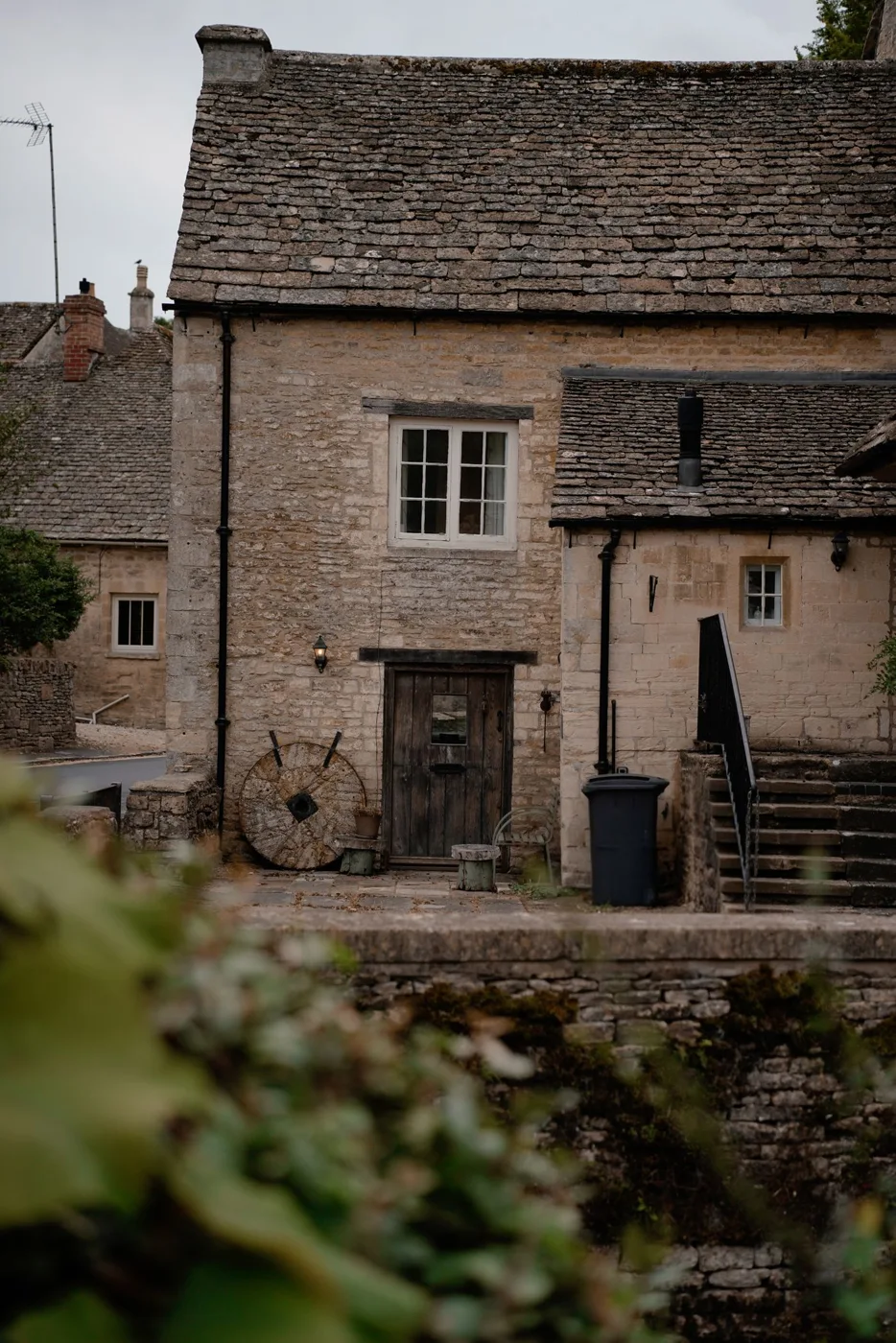
Older homes can be difficult to improve because their construction, moisture behaviour and historic features may not suit standard modern interventions. The challenge is choosing compatible work, rather than assuming age makes improvement impossible.
A Victorian house has already survived several generations of confident advice. It deserves a little investigation before receiving the next batch.
Traditional construction needs understanding
Solid masonry, timber, lime-based materials and historic finishes can behave differently from modern layered construction.
Walls may absorb and release moisture. Exposure, maintenance and past alterations affect that behaviour.
The building's date is a clue, not a full diagnosis. Extensions and repairs can create several construction types within one home.
Why can insulation become complicated?
Changing wall temperatures and drying routes can alter moisture risks. Details at floor edges, beams, windows and roof junctions matter.
A material's marketing description does not establish that the whole system is appropriate. Insulation, finishes, ventilation and rain protection need considering together.
Historic England's traditional-building guidance explains the whole-building approach.
What can the EPC miss or simplify?
An existing-home assessment uses defined inputs and assumptions. Hidden improvements, unusual construction or incomplete documentation can affect how the home is represented.
That does not justify dismissing every low score. Check the descriptions, evidence and relevant conventions before deciding which entries are reasonable or disputable.
Historic England's EPC case studies illustrate assessment and improvement issues in traditional buildings.
Where should owners begin?
Investigate roof leaks, gutters, pointing, moisture and damaged fabric. Repairing defects supports durability and can be essential before energy work.
Then compare suitable measures such as careful draught reduction, sensitive roof insulation, window repair or secondary glazing, controls and appropriate heating changes.
An old house can sometimes suit a heat pump. Age alone does not decide; design heat loss, emitters, space and installation details do.
What if the building is listed?
Establish significance and consent requirements before specifying alterations. An EPC recommendation does not authorise changing windows or historic interiors.
Listing also does not automatically settle the certification exemption position. See our listed-building guide.
Make a staged plan
Work with someone experienced in the construction type. Ask for measures, dependencies, moisture considerations and evidence requirements in writing.
Coordinate with planned maintenance so rooms and roofs are not opened repeatedly. Have proposed packages modelled where an EPC target matters, but compare comfort, carbon and condition alongside the letter.
The sensible ambition is a home that performs better and remains sound. A high score attached to an avoidable fabric problem would be a rather hollow victory.
YOUR HOME, YOUR NEXT STEP
Start with your own certificate.
Find your EPC, check the recommendations and see what could make a difference to your home.
Find my free EPCEngland & Wales. Find the register for Scotland or Northern Ireland.