
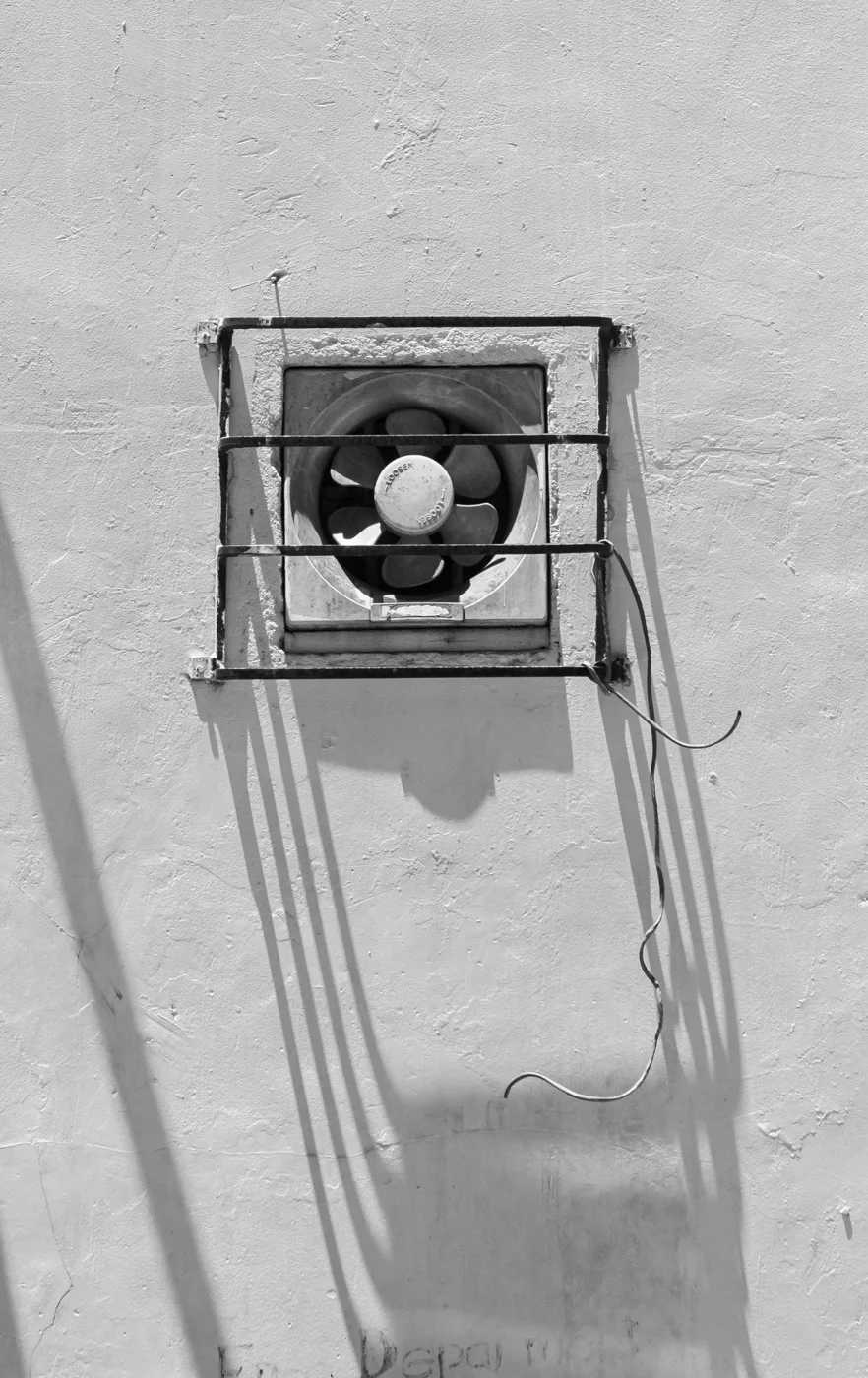
Ventilation needs planning alongside insulation and airtightness. A home can retain heat while deliberately removing moisture and pollutants, but the system must suit the building and household.
Sealing every opening is a wonderfully decisive plan until the bathroom begins growing things.
Draughts and ventilation do different jobs
Draughts are unwanted leakage. Ventilation is controlled air exchange through suitable openings or systems.
Reducing accidental leaks can improve comfort. It does not eliminate the need for replacement air or extraction.
Keep the purpose of each opening clear. A room ventilator, combustion-air supply and suspended-floor airbrick are not interchangeable holes.
What changes during energy improvements?
New windows, insulation and draught-proofing can reduce leakage. The home may then need its deliberate ventilation checked or upgraded.
Assess how moisture is removed from kitchens and bathrooms, how fresh air enters and how air moves through the dwelling.
Do this before approving the improvement package. Installing extract fans after every surface has been finished can be an unnecessarily creative exercise in making good.
Which ventilation system is right?
Options can include background ventilation with intermittent extract, continuous mechanical extract or heat-recovery systems.
The choice depends on layout, airtightness, condition, design objectives and applicable requirements. Mechanical ventilation with heat recovery is not a universal accessory for every house.
Good performance requires suitable design, installation, commissioning and maintenance. Duct routes, noise and user controls matter as much as the unit's advertised efficiency.
Does the EPC assess indoor air quality?
An EPC can record relevant ventilation features within its calculation. It is not a comprehensive ventilation-performance or indoor-air-quality test.
A high rating does not prove that extract airflow is adequate or that damp has been diagnosed. Likewise, a working fan does not establish that the whole system has appropriate replacement air.
Energy Saving Trust's damp and condensation guidance helps explain moisture sources and practical prevention.
What should owners request?
Ask the designer or installer for:
- The intended ventilation strategy.
- Relevant performance and commissioning records.
- Clear operating and maintenance instructions.
- Responsibility for filters, ducts and future servicing.
- An explanation of how the system fits the planned airtightness work.
For a traditional building, consider moisture movement through the fabric as well as room airflow.
What can residents do now?
Use installed ventilation as intended and report broken fans, persistent condensation or mould. Keep necessary vents clear.
If the home is difficult to heat, seek a coordinated solution rather than simply leaving every window open indefinitely or sealing every route shut.
Our draught-proofing guide covers targeted leakage work. The goal is an effective balance: warmth where you need it, moisture removed properly and a system people can understand well enough to use.
YOUR HOME, YOUR NEXT STEP
Start with your own certificate.
Find your EPC, check the recommendations and see what could make a difference to your home.
Find my free EPCEngland & Wales. Find the register for Scotland or Northern Ireland.