
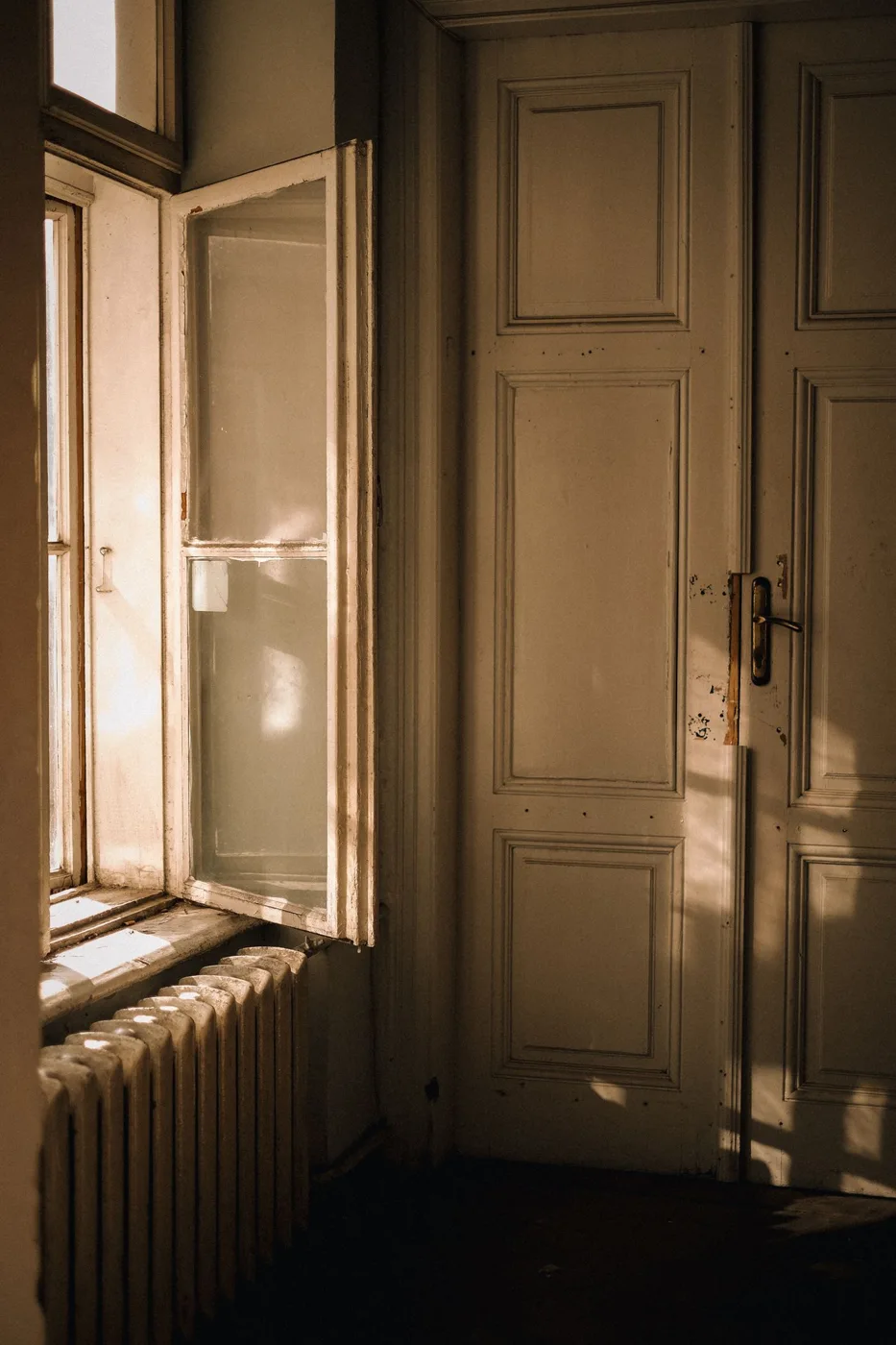
Draught-proofing can make a home more comfortable by reducing unwanted air leakage. Some features can affect the EPC calculation, but the rating benefit depends on what the approved method records.
You can feel a draught long before a certificate has an opinion about it.
Find the unwanted gaps
Look around opening windows, external doors, loft hatches and appropriate floor junctions. Failed seals or poor adjustment can make otherwise serviceable components uncomfortable.
Choose a repair suited to the gap and fitting. A door that no longer closes properly needs attention to its condition and alignment, not simply the thickest strip in the shop.
An unused chimney can also be relevant, but any treatment needs to suit the chimney's use and ventilation requirements.
Keep necessary airflow
Do not seal deliberate background ventilation, extract outlets, combustion-air provision or subfloor airbricks.
These openings perform different jobs. Blocking a timber floor's ventilation can create risks in a space you cannot readily inspect. Restricting combustion air can be dangerous.
If you are unsure what an opening serves, ask a competent professional before closing it. Energy Saving Trust's draught-proofing guide distinguishes unwanted draughts from necessary ventilation.
Will it raise your EPC?
Potentially, where the relevant installed features change the model inputs. The effect can be modest, particularly if the property already has appropriate draught protection.
The assessor does not simply award points because the house felt cosy on the visit. Discuss the current methodology and the evidence for any completed work.
Never accept a promised whole-band improvement without a property-specific assessment.
Why can comfort improve even with a small rating change?
A cold air current near a chair can be very noticeable. Reducing it may make the room more pleasant without transforming the whole-building calculation.
That is a worthwhile benefit. A measure does not become pointless because it fails to produce an impressive before-and-after graphic.
Keep bill expectations proportionate, and consider whether the household might use the improvement to enjoy a warmer home rather than reduce expenditure.
When do you need a broader plan?
Persistent condensation, mould or stale air needs investigation. If you are replacing windows, insulating walls or making the home substantially more airtight, plan ventilation alongside the work.
A professional airtightness test can help some renovation projects understand leakage. It is a separate service from an ordinary EPC visit.
Start with targeted repairs, then check that intentional ventilation works properly. Our ventilation article explains how to retain warmth without asking moisture to move into the spare bedroom.
YOUR HOME, YOUR NEXT STEP
Start with your own certificate.
Find your EPC, check the recommendations and see what could make a difference to your home.
Find my free EPCEngland & Wales. Find the register for Scotland or Northern Ireland.